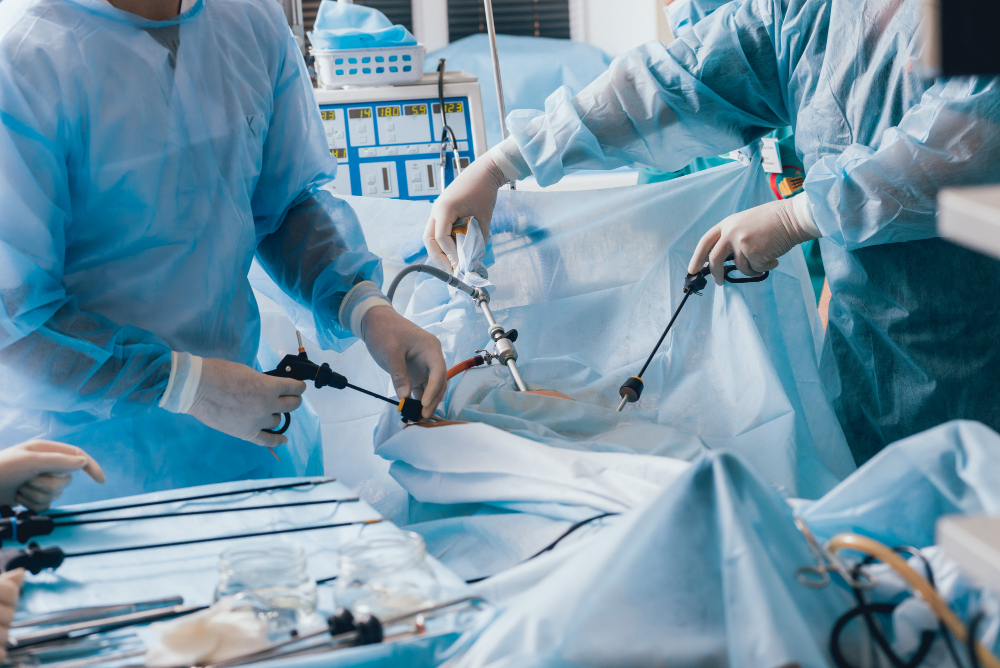
Introduction to Laparoscopic Surgery
Laparoscopic surgery, often called “lap surgery,” is a type of minimally invasive surgery. Instead of making a large cut, doctors use small incisions. Through these, they insert a tiny camera and special tools. As a result, the benefits of lap surgery are clear for many patients. This method is now common for many operations. According to the World Health Organization (WHO), minimally invasive surgery is safe and effective for many conditions.
Main Benefits of Lap Surgery
Many people choose lap surgery because it offers several advantages. For example, patients often feel less pain after the procedure. In addition, recovery is usually faster. Here are some key benefits:
Moreover, these benefits of lap surgery help patients feel better both physically and emotionally. The Centers for Disease Control and Prevention (CDC) also notes that minimally invasive surgery can lower the risk of some complications.
Comparison with Traditional Open Surgery
Traditional open surgery uses a large cut to reach the area needing treatment. In contrast, lap surgery uses small incisions. Because of this, patients often heal faster with lap surgery. Here is a simple comparison:
However, not all surgeries can be done with the laparoscopic method. Your doctor will help decide the best option for you.
Typical Conditions Treated with Lap Surgery
Laparoscopic surgery is used for many health problems. For instance, doctors use it to remove the gallbladder, treat appendicitis, and fix hernias. Other common uses include:
Because lap surgery is so versatile, it helps many people with different needs.
Recovery and Aftercare Tips
After lap surgery, most people recover quickly. Still, it is important to follow your doctor’s advice. Here are some helpful tips for laparoscopic surgery recovery:
Furthermore, always attend follow-up visits to make sure you are healing well.
Common Myths or Misconceptions
Some people believe myths about lap surgery. For example, some think it is not as safe as open surgery. However, studies show that lap surgery is just as safe for many conditions. Others worry that recovery will take longer, but most patients heal faster. In addition, some think only young or healthy people can have lap surgery. In reality, many older adults benefit from this approach too.
Prevention and Lifestyle Guidance for Better Surgical Outcomes
Good health habits can help you recover better after any surgery. For instance, eating a balanced diet and staying active can make your body stronger. If you smoke, try to quit before surgery. Smoking can slow healing. Also, follow your doctor’s instructions about medicines and fasting before the operation. Because every person is different, talk to your doctor about what is best for you.
Conclusion
Laparoscopic surgery offers many benefits, such as less pain, smaller scars, and faster recovery. Although not every surgery can be done this way, it is a safe and effective choice for many people. Consult Dr. Manish Verma to learn if laparoscopic surgery is right for you.